Table of Contents
- Executive Summary
- Introduction
- Understanding Primary Cyber Threats
- Ransomware
- DDoS Attacks
- Addressing Supply Chain and Insider Threats
- Adapting to the Changing Cybersecurity Landscape
- The Evolution from On-Premises to Cloud-First Infrastructure
- Implementing Zero Trust Architecture
- Micro-Segmentation and Network Segmentation
- Continuous Verification and Access Control
- Educating Employees on Cybersecurity and Zero Trust Principles
- Conclusion
- About vTech Solution
Executive Summary
Cybersecurity threats are evolving rapidly in today’s digital landscape. These threats now pose significant challenges for federal agencies and businesses alike. With the rise of ransomware, distributed denial-of-service (DDoS) attacks, and other sophisticated threats, adopting robust security measures like Zero Trust Architecture (ZTA) is critical. In this article, we review a 2023 conversation vTech Solution had with cybersecurity experts Frank Konieczny, Chief Innovation Officer at Patriot Cyber Defense; Rohit Rajpara, CISO/Tech Fellow at Goldman Sachs Advisor Solutions; and Ali Khan, President and Chief Executive Officer, CEO | CFO (HealthCare, Insurance and Federal) and reflect on their insights for actionable strategies for implementing ZTA effectively. Introduction In 2022, the Federal budget mandated that Federal Agencies implement Zero Trust Principles by 2024. This sparked a widespread search for cybersecurity solutions to fortify critical infrastructure and protect sensitive information. This report synthesizes insights from cybersecurity experts Frank Konieczny, Chief Innovation Officer at Patriot Cyber Defense; Rohit Rajpara, CISO/Tech Fellow at Goldman Sachs Advisor Solutions; and Ali Khan and their discussion on the topics of cybersecurity landscape and effective Zero Trust Architecture (ZTA) implementation strategies. Understanding Primary Cyber Threats
How do you solve a problem like Ransomware?
Ransomware, a malicious software blocking access to critical systems, demands a ransom for release. According to Ali Khan, periodic malware and ransomware assessments every six months to a year are crucial. “Adopting a zero-trust architecture mitigates these attack vectors,” he emphasized. Additionally, implementing robust security incident and threat management systems further aids in identifying and responding to emerging threats.
Mitigating DDoS Attacks
Simultaneously, organizations face Distributed Denial of Service (DDoS) attacks, causing significant disruptions by overwhelming networks and websites.

Addressing Supply Chain and Insider Threats
Beyond ransomware and DDoS, Frank Konieczny highlighted insidious threats like supply chain vulnerabilities and insider threats. He underscored the importance of enhancing defenses against DDoS and ransomware through robust cybersecurity measures like Endpoint Detection and Response (EDR) systems.
EDR systems bring cybersecurity to life by continuously monitoring and responding to threats in real-time, providing a dynamic defense mechanism that detects malicious activities and neutralizes them before they could cause any harm. He also highlighted the need to strengthen supply chain security by developing strategies to mitigate vulnerabilities and conducting regular assessments. Addressing insider threats through user training and monitoring systems, as well as investing in IoT security solutions, were also vital steps in safeguarding operations.

Adapting to the Changing Cybersecurity Landscape
The cybersecurity landscape for government agencies underwent significant changes, especially with the proliferation of mobile devices and the shift to remote work. Frank noted that the increased use of cell phones for remote access introduced new vulnerabilities, making cybersecurity a more complex and challenging field. To adapt to these changes, Frank suggested that government agencies needed to update their cybersecurity strategies to address new threat vectors. This included adopting comprehensive security measures for mobile devices, implementing continuous monitoring and vulnerability management, and ensuring robust data protection during cloud migration.
The Evolution from On-Premises to Cloud-First Infrastructure
The shift from on-premises infrastructure to a cloud-first approach transformed the cybersecurity conversation in both the federal and private sectors. Rohit Rajpara highlighted that moving to the cloud involves a transition from physical hardware to virtualized, sharing environments provided by cloud service providers like AWS, Azure, and Google Cloud. This shift necessitated a reevaluation of security strategies, focusing on data and identity-centric security.
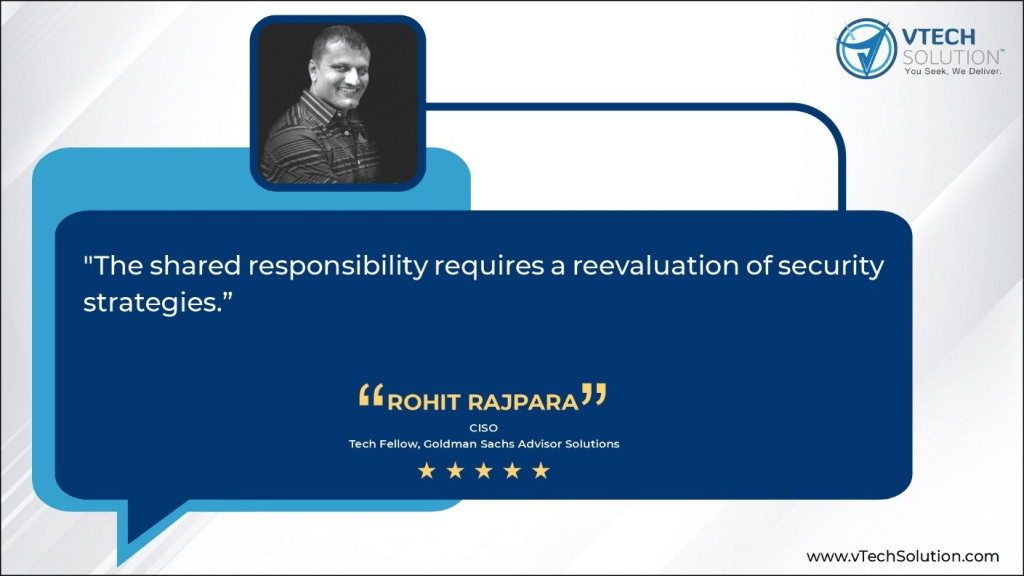
He emphasized the importance of developing a comprehensive security plan for cloud environments, considering factors such as Virtual Private Clouds (VPCs), firewalls, gateways, role-based access control (RBAC), and identity and access management (ICAM). Continuous monitoring and vulnerability management were crucial for maintaining a robust security posture in the cloud.
Implementing Zero Trust Architecture
Micro-Segmentation and Network Segmentation
Zero Trust Architecture was essential for enhancing security within an enterprise network. Frank and Rohit both highlighted the importance of micro-segmentation and network segmentation in this context. Micro-segmentation involved dividing the network into smaller segments, each governed by specific security policies and controls. This approach provided granular access control and significantly improved the security of the
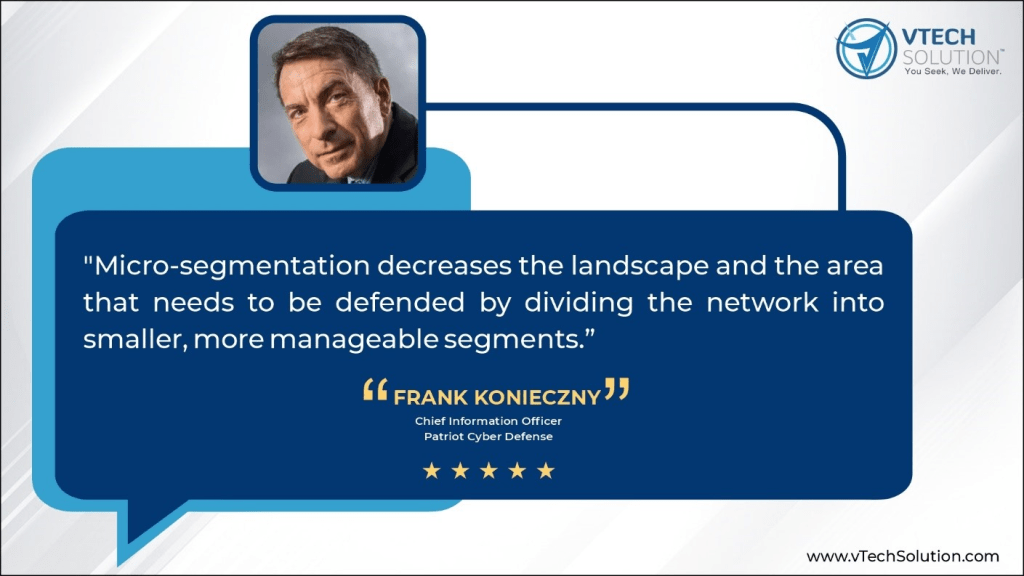
However, he cautioned that while micro-segmentation enhanced security, it also increased the complexity of managing the network due to the need for detailed policies and controls for each segment. Effective policy implementation and continuous verification were critical to preventing misconfigurations and vulnerabilities.

Continuous Verification and Access Control
The Zero Trust model gained traction among federal agencies such as the DHS, DoD, IRS, and SEC due to its ability to provide fine-grained access control and continuous verification of identities and authorizations. Frank explained that traditional large-grain access control was insufficient for modern cybersecurity needs.
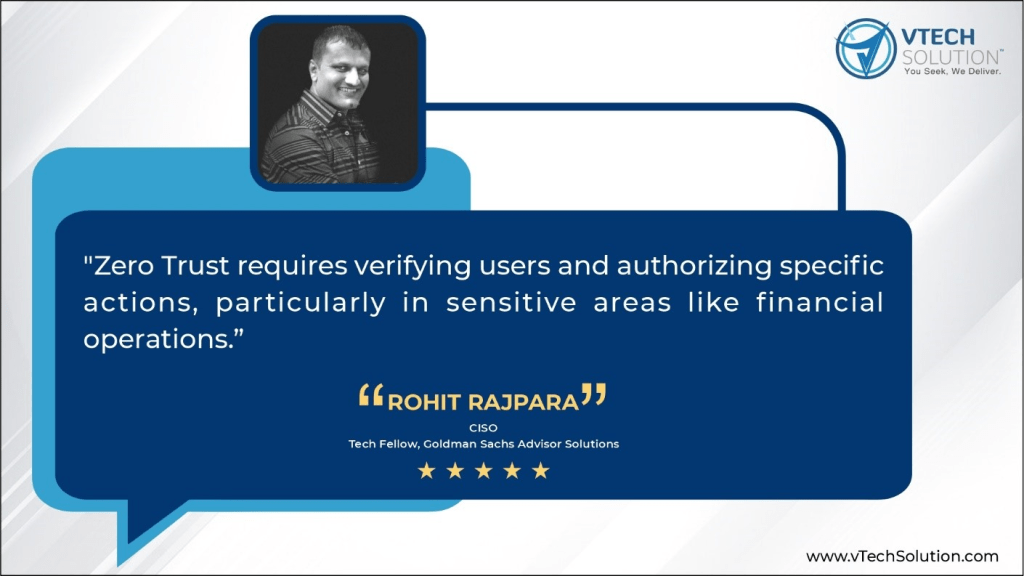
He also added that Zero Trust helped limit the blast radius of any security incident by requiring continuous verification and context-aware access controls. This approach involved analyzing behavior to detect anomalies and automating responses to detected threats. Tagging and segmentation further enhanced security by minimizing potential damage and ensuring that policies were dynamically adjusted to new threats.

Educating Employees on Cybersecurity and Zero Trust Principles

Federal agencies employed various methods to improve cybersecurity awareness among employees. Ali mentioned comprehensive training programs, both in-person and virtual, tailored to different roles within the organization. These programs included targeted instructions for administrators on recognizing and responding to social engineering and phishing attacks.
“Training included adherence to NIST compliance and securing multi-cloud, hybrid cloud, or on-premises environments,” Ali explained. Frank highlighted practical exercises and simulated phishing attacks as effective tools for training employees. By exposing employees to real-world scenarios and encouraging them to scrutinize email links and addresses, agencies fostered a vigilant workforce capable of recognizing and responding to cyber threats effectively.
Conclusion
In conclusion, cybersecurity was a constantly evolving field that required continuous adaptation and proactive measures. By understanding the primary threats, addressing emerging vulnerabilities, and implementing robust security strategies like Zero Trust Architecture, federal agencies and commercial entities safeguarded their critical infrastructure and sensitive information. Through comprehensive training, collaboration, and the adoption of advanced security architectures, organizations built resilient defenses against the ever-growing landscape of cyber threats.
About vTech Solution
At vTech Solution, we were committed to providing cutting-edge cybersecurity solutions and fostering valued partnerships with our clients. Our human-centric approach ensured that we prioritized your success with a touch of passion, helping you navigate the complexities of today’s digital world with confidence.
Contact Us for a Free Cybersecurity Assessment!
TOO LONG TO READ?
Experts Unveil Zero Trust Cyber Strategies
In the rapidly evolving digital landscape, cybersecurity threats like ransomware and DDoS attacks posed significant challenges for federal agencies and businesses. Experts Ali, Frank, and Rohit emphasized the importance of adopting robust security measures, particularly Zero Trust Architecture (ZTA), to mitigate these threats. They highlighted the need for regular assessments, enhanced supply chain and insider threat defenses, and updated strategies to handle mobile and cloud security. Implementing ZTA involved micro-segmentation, continuous verification, and educating employees on cybersecurity principles. These measures helped organizations safeguard their critical infrastructure and sensitive information.